Wiregrass • Repair Planning
Water Damage Reconstruction in Dothan, AL
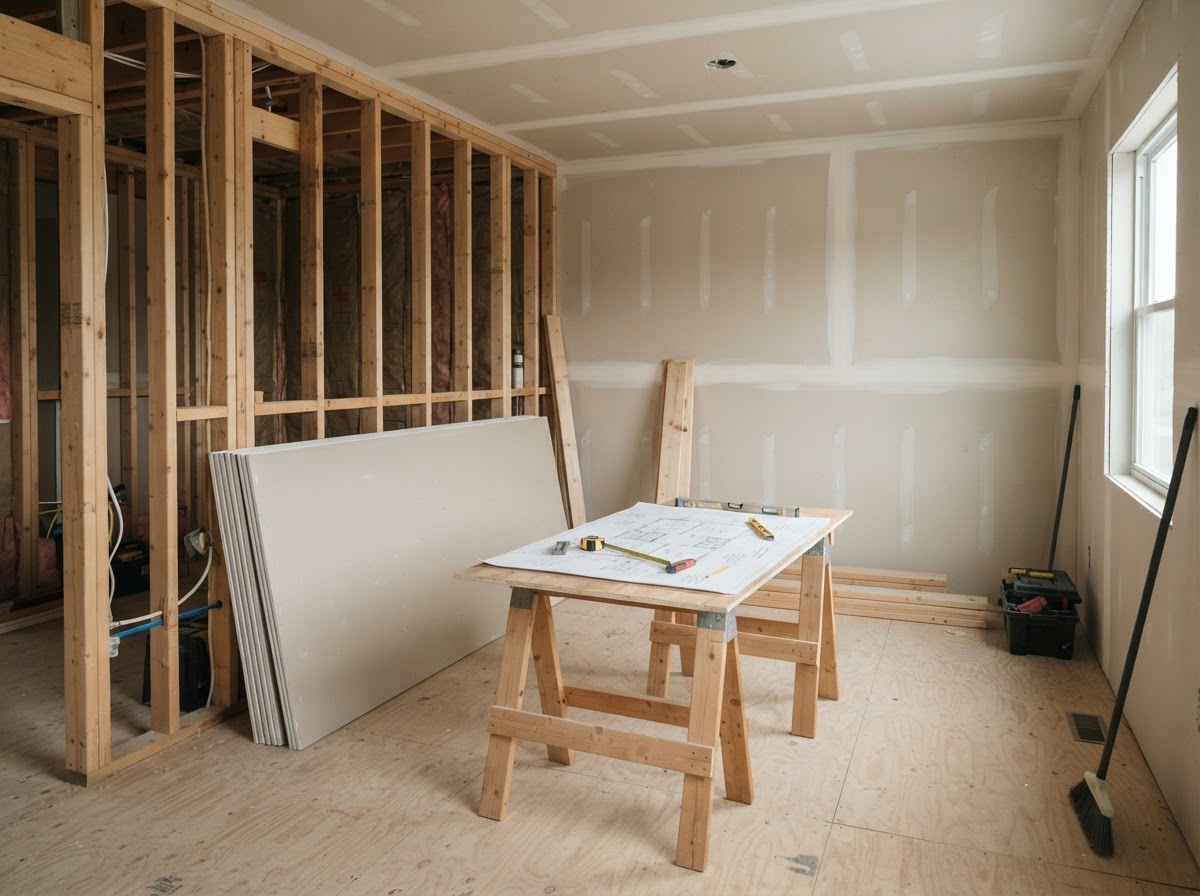
Once the source is corrected and the mitigation and drying are complete, some spaces still need qualified repairs or rebuilding to be functional again — drywall, flooring, trim, cabinets, finishes, or structural systems, depending on the actual loss. This page does not claim a licensed general contractor or a turnkey reconstruction guarantee; it is an assessment inquiry to help plan the rebuild.
The problem
When rebuilding follows mitigation
- Drywall and ceiling finishes
- Flooring and subfloor
- Insulation
- Cabinetry and trim
- Ceiling assemblies
- Possible structural components
- Cosmetic finishing versus regulated trade work
Process
From a dry, documented condition to a repair plan
A general sequence for planning reconstruction after mitigation. Permit, inspection, and contractor requirements are jurisdiction- and scope-dependent — not invented here.
Confirm the source was addressed by a qualified party
Before reconstruction, the original leak or intrusion is confirmed corrected by the appropriate licensed trade, so the new materials are not built over an active problem.Review mitigation documents and moisture conditions
The mitigation records and current moisture readings are reviewed so the rebuild begins on a dry, stable substrate — not on materials still holding water.Establish a repair scope with an appropriate professional
A scope for the materials and systems to be repaired or replaced is developed with an appropriate professional, reflecting the actual loss rather than a generic rebuild.Inspect concealed damage if justified and authorized
Where justified and authorized, concealed areas are opened to confirm there is no hidden damage before they are closed up again.Determine permit, inspection, and contractor requirements
Permit, inspection, and licensed-contractor requirements are determined with the correct local authority for the work involved — this page does not invent Alabama licensing thresholds or Dothan permit exemptions.Sequence trades and material selection
Trades and materials are sequenced so drywall, flooring, trim, and finishes follow the structural, mechanical, and plumbing work in the right order.Document changes and quality checks
Changes to the scope and quality checks are documented so the finished repair matches the agreed plan — without a guarantee of matching finishes or upgrades.
Materials & scope
Contracts, materials, and occupancy
Reconstruction may require licensed trades and permits under a separate contract. Jurisdiction differs between city and county areas, and no insurer authorization or matching-finish guarantee is promised.
- Repair specification
- A written scope defines what is repaired versus replaced, in what order, and with which materials — so the rebuild is tied to the actual loss, not a generic plan.
- Material availability & existing finishes
- Material availability and the existing finishes affect timing and how closely a replacement can match; an exact match is not guaranteed.
- Hidden damage discoveries
- Opening concealed areas can reveal damage not visible during mitigation, which can change the scope and the sequence.
- Occupied homes & rentals
- Occupied properties and rentals add scheduling, access, and tenant-coordination considerations to the rebuild logistics.
- Commercial access
- Commercial settings add continuity, access, and documentation requirements on top of the material decisions.
- Contractor credentials & jurisdiction
- Licensed-trades requirements and the permitting authority may differ between a city and an unincorporated county area, so the correct jurisdiction is verified for the specific property.
Frequently asked questions
Next steps
Related restoration topics
Live pages with related guidance for Dothan-area property owners.
Describe the reconstruction need and request an assessment
Share the original damage source, any completed mitigation or repair documentation, the affected rooms and materials, whether permits or trades have been discussed, and the property location. The inquiry is reviewed — it is not a confirmed rebuild contract, and a licensed or qualified contracting arrangement must be verified before any rebuilding is offered.