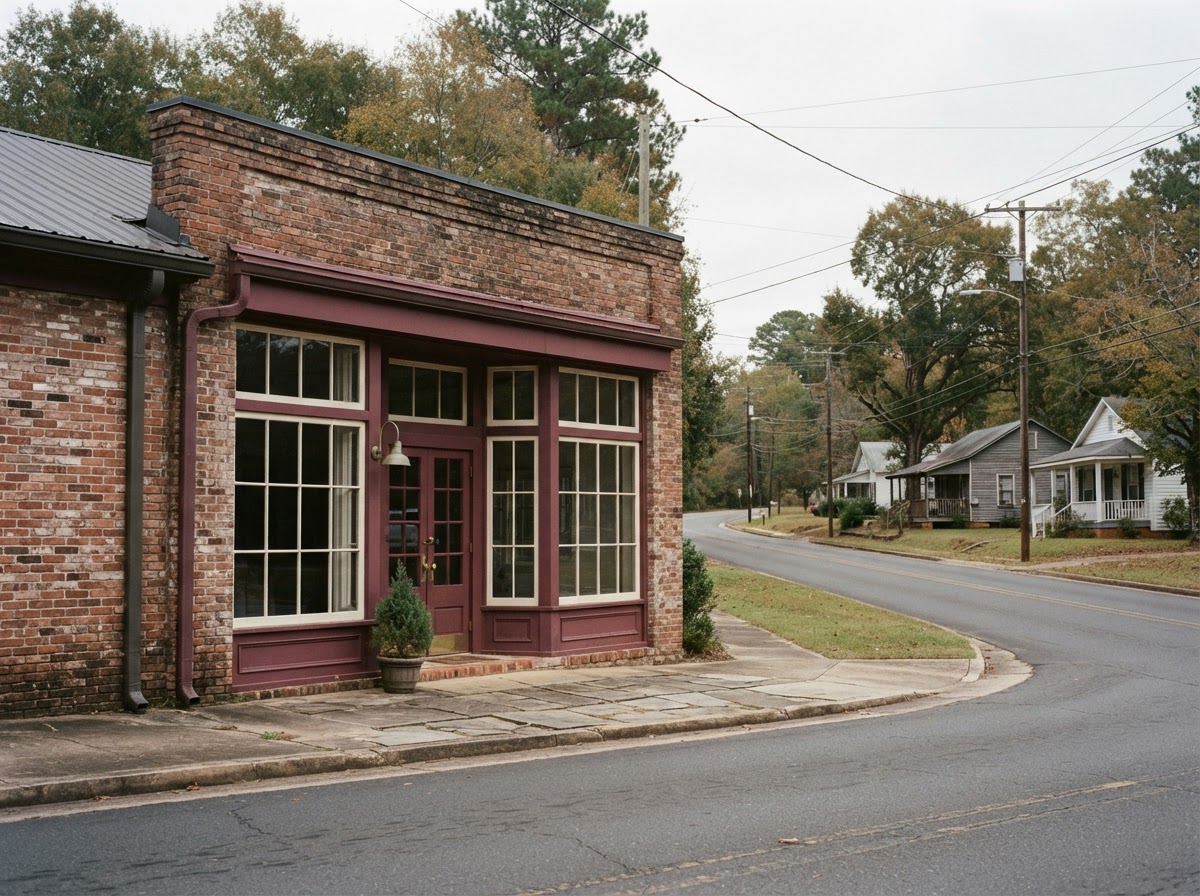
Service Area • Henry County
Water, Fire & Mold Damage Restoration in Headland, Alabama
Headland lies in Henry County, north of Dothan along U.S. 431 — a different county from Dothan, with its own local jurisdiction. When a Headland home, shop, or managed property takes on water, shows smoke residue, or develops a moisture concern, the useful first step is a safe, documented assessment: keep people clear of hazards, record what you can observe without risk, and report through the owner or management channel. The right scope depends on the source, the materials, how long they have been wet, and what a qualified evaluation finds — not on a Dothan template. This page explains how those decisions work for a Headland property without implying a crew stationed in town, same-day dispatch, or a verified local office.
- Water damage
- Fire & smoke
- Mold & moisture
Restoration services
Restoration concerns a Headland property may face
A Headland project can combine residential water loss, commercial interruption, smoke cleanup, and rebuilding coordination. The concerns below describe what a documented assessment clarifies — not a single crew's fixed menu. Source repair, mitigation, and reconstruction are separate scopes and may involve different qualified parties.
Residential water loss
A supply-line, roof, or appliance leak can wet drywall, insulation, subflooring, and concealed cavities. Assessment maps the extent before materials are opened or discarded.
Commercial interruption and documentation
A small business may weigh operations, inventory, and occupant safety alongside building repair. Documentation helps the business, the owner, and the insurer communicate.
Fire and smoke cleanup
Soot, residue, and odor in finishes and contents are addressed through cleaning separate from structural rebuilding. Contents handling is its own scope.
Odor and moisture assessment
A musty or smoky odor is a clue, not a diagnosis. Moisture evaluation comes first; testing, when appropriate, answers a specific question.
Contents evaluation
Affected belongings may need documentation, protection, drying, or pack-out. Contents decisions are separate from building repair and may involve owner and insurer input.
Drying of concealed assemblies
Moisture can remain in wall cavities, under flooring, and in insulation after a surface looks dry. Monitoring helps confirm conditions that visual inspection cannot.
Repair handoff and coordination
Reconstruction may require qualified trades, permits, and inspections under Henry County authority. The restoration assessment and the rebuild are coordinated but distinct.
Property & damage
Property types and practical concerns in Headland
Headland includes owner-occupied homes, small businesses along its highway corridor, and managed or rental property. The differences that matter most are access authorization, documentation, and how a commercial event is sequenced during operating hours — not documented local prevalence or verified company projects.
- Owner-occupied homes
- An owner controls access and repair decisions. The scope still depends on what a qualified evaluation finds in the actual materials and concealed cavities.
- Small businesses
- A shop open during a water event adds business-interruption, inventory, and occupant-safety questions. Access, documentation, and sequencing matter as much as the physical repair.
- Rental and managed property
- A tenant may notice a problem; the owner or manager generally authorizes work. Lease terms and Alabama law shape remedies — this page provides no legal conclusion.
- Concealed assemblies
- Drywall, insulation, subflooring, and wall cavities hold moisture differently than surface finishes. What is visibly wet is not the full picture; qualified measurement characterizes hidden conditions.
Process
Assessment through repair coordination for a Headland property
A general sequence — not every stage applies to every loss, and Henry County jurisdiction adds its own permit steps.
Safety and authorization
Stay clear of standing water near electrical components, unstable structures, or suspected contamination. Confirm who can authorize access — owner, manager, or tenant under a lease.Source identification
Identify the water, smoke, or moisture source. A still-active source may require a qualified plumber, roofer, or HVAC professional before mitigation can be completed.Extent and material evaluation
A qualified professional evaluates affected materials, takes accessible moisture readings, and documents conditions. Assessment defines the scope, including concealed cavities.Scope and qualified parties
The written scope separates source repair, mitigation, drying, cleaning, removal, and reconstruction, and names the qualified parties for each. One provider may not perform every stage.Mitigation, drying, and monitoring
Where appropriate, water is removed and controlled drying begins with monitoring that can adjust the scope. Removing visible water is not the same as drying the materials.Repair handoff
Reconstruction may require permits and inspections under Henry County's authority and qualified trades. The restoration assessment and the rebuild are coordinated but separate.
Access & jurisdiction
Access, jurisdiction, and insurance in Headland
Because Headland is in Henry County, Dothan's and Houston County's permit and inspector rules do not automatically apply. The correct authority for a Headland project depends on the actual parcel and work type. Insurance questions depend on the actual policy and the facts of the loss.
- Henry County jurisdiction
- Headland is in Henry County, not Houston County. Do not substitute Dothan inspectors, Houston County rules, or a Dothan municipal address for a Headland parcel. Verify the correct authority for the actual parcel and work type before asserting any permit requirement.
- Who authorizes
- The owner or an authorized manager typically authorizes assessment and repairs. A tenant usually does not. Confirm the authorized party and any lease notice requirements before work begins.
- Qualified and licensed trades
- Plumbing, roofing, HVAC, electrical, and structural reconstruction may each require a licensed trade and separate permits under Henry County. IICRC training and an Alabama contractor license are different credentials — neither replaces the other.
- Insurance documentation
- Document from safe areas and report through your insurer's channel. Coverage depends on the policy, the cause, and the facts — not on the town. Do not delay necessary safety mitigation solely to wait for an adjuster, but follow your policy's instructions.
Do not extrapolate a townwide flood or damage pattern for Headland. A specific property's flood-zone classification, if any, must be verified through current official FEMA mapping for the actual parcel.
Local context
Headland in the Wiregrass: Henry County changes the answer
Headland's identity as a Henry County city north of Dothan along U.S. 431 makes jurisdictional questions central to any restoration project there. The context below is geographic and editorial — not evidence of a verified local office, a dispatch radius, or a completed company job.
Headland is Henry County, not Houston County
A project can involve several parties
Records that help a property manager
Local Sources & Further Reading
Last reviewed: 2026-11-02Local and official sources are references only. Confirm current municipal boundaries, permit authority, and contact details directly before acting on a property-specific question.
- City of Headland →City of Headland, AlabamaStarting point for municipal questions; verify current content and applicability to a specific parcel.
- FEMA Flood Map Service Center →FEMAOfficial mapped flood-risk lookup; a map entry is not a parcel-specific determination or insurance decision.
- Alabama Licensing Board for General Contractors →State of AlabamaOfficial general-contractor licensing and exemption information; verify current thresholds before relying on them.
Headland restoration questions
Nearby Wiregrass
Headland and nearby Wiregrass communities
Headland sits north of Dothan along U.S. 431 and near other Wiregrass communities. The links below are live completed routes only — a geographic reference, not a verified office or dispatch radius.
Other Wiregrass service-area pages, including additional Henry County communities, are scheduled for later phases and are not linked until their routes are completed. Dothan is referenced as the regional hub for context only.
Before you request
Questions to settle before requesting a Headland assessment
These questions help an assessment inquiry be useful. They do not replace a qualified evaluation — they help you describe the situation and understand what an assessment can and cannot promise.
- Is the water or smoke source still active, and who is qualified to stop it?
- Is the affected area safe to enter — any electrical, structural, or contamination concerns?
- Is the property residential or commercial, and who owns versus occupies it?
- Which materials and rooms appear affected, and is Henry County the correct permit authority?
- Who can authorize assessment and any subsequent repair work?
Request a restoration assessment for a Headland property
A documented moisture evaluation and written scope reflect the actual conditions of your Headland property — without promising same-day dispatch, a guaranteed timeline, or an insurance outcome. Submit an inquiry and a qualified contact can follow up through the details you provide.