Wiregrass • Investigation
Mold Inspection and Testing in Dothan, AL
After a leak, an odor, discoloration, or a recurring moisture issue, an inspection can help clarify what is present and whether sampling is warranted — but inspection and sampling are different activities, and no visual symptom alone confirms a species or a health impact. This page does not claim in-house laboratory capability, independent third-party testing, or certified inspectors without verification.
The problem
What an inspection evaluates, and what a sample does not
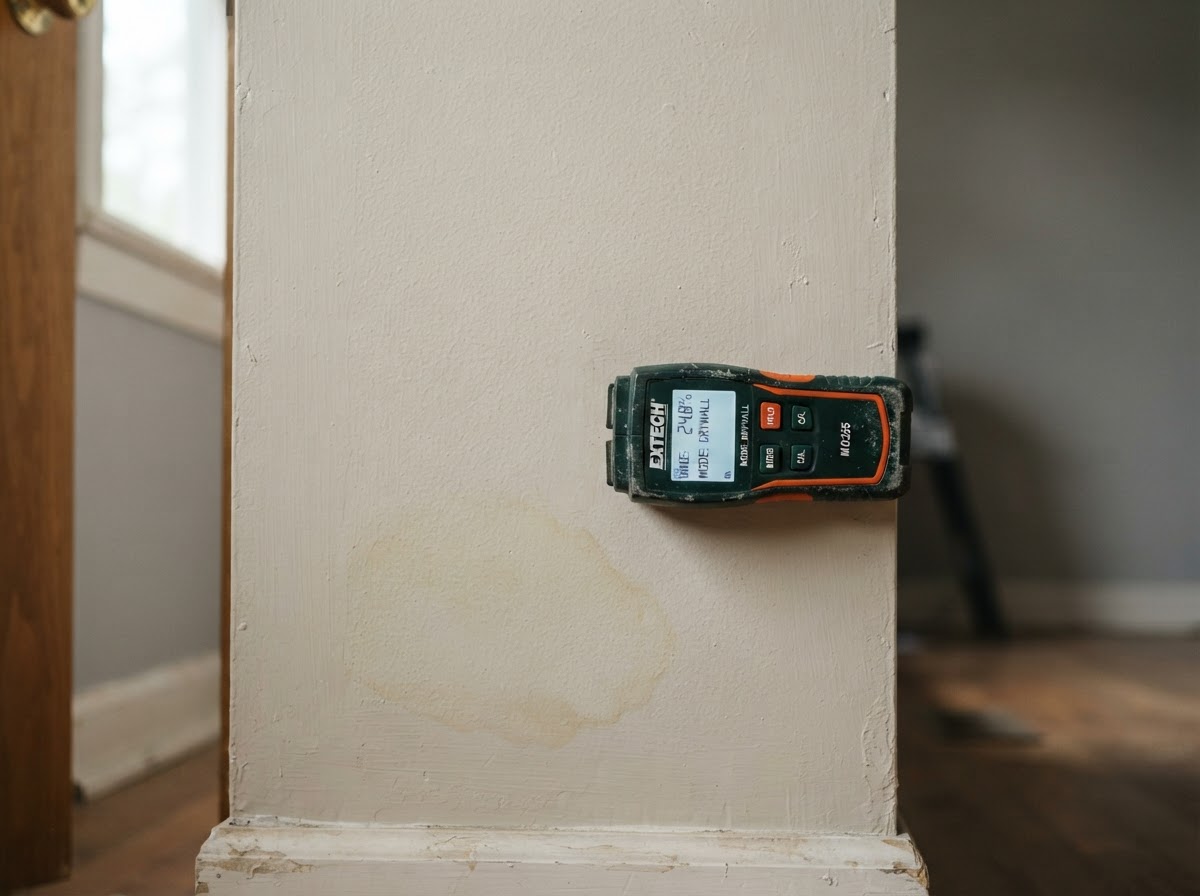
- Visual evaluation of building and moisture conditions
- History and source investigation
- Sampling only where it serves a specific question
- Sample meaning depends on location, method, and conditions
- Qualified interpretation, not a standalone number
- A single sample does not prove what is hidden
- No universal pass/fail mold test
Process
How an inspection and any sampling are performed
A sequence that clarifies objectives before instruments are used. The inspection guides the decision to sample; sampling does not replace the inspection.
Clarify the objectives
What question does the owner need answered — extent, source, clearance, or a transaction concern? The objective shapes whether sampling is appropriate at all.Review leaks, building areas, and safety
Known water events, the areas of concern, and any access or safety considerations are reviewed before the visual inspection.Qualified visual and moisture inspection
A qualified inspector evaluates visible conditions, moisture, and the suspected source, because the visual findings usually guide where sampling would be useful.Determine whether sampling is justified
Sampling is not automatic. It is used where it answers a specific question — confirming extent, supporting a clearance, or comparing areas — not as a routine add-on.Appropriate collection, custody, and laboratory analysis
Where sampling is warranted, collection, chain of custody, and laboratory analysis are handled through verified qualified providers only. This page does not claim a lab turnaround time or certification that is unverified.Report the scope and limitations
A written report explains what was inspected, where samples were taken, the conditions, and the limits of the findings — not a complete diagnosis.Recommend next steps or independent remediation evaluation
Where the concern points to remediation, an independent remediation evaluation may be appropriate — and whether the same party can perform both is a question to verify, not assume.
Materials & scope
Reports, independence, and the limits of a sample
Where an inspection is performed changes what it can tell you. A written scope, sample locations, and the conditions all matter to interpreting the findings.
- Walls & ceilings
- Visible staining and moisture are evaluated on surfaces; growth inside a cavity may not appear in a surface sample and can require further investigation.
- HVAC-adjacent areas
- Air handlers and ductwork can move spores through a building, so the system is considered alongside the visible areas.
- Crawl spaces
- Crawl-space conditions can affect the floor above; access can be hazardous and requires qualified entry rather than self-inspection.
- Rentals & transactions
- Tenants and buyers may have specific documentation needs; a written report with locations and limitations helps support those conversations.
- Commercial facilities
- Commercial settings add occupancy, access, and documentation considerations on top of the inspection scope.
- One sample's limits
- A single air or surface sample is a snapshot of one location and time; it does not prove no hidden growth exists elsewhere, which is why findings are interpreted in context.
Frequently asked questions
Next steps
Related restoration topics
Live pages with related guidance for Dothan-area property owners.
Describe the concern and request an assessment
Share the property location, the concern observed, any water events, the rooms affected, and any prior professional evaluation. Do not send medical records or sensitive laboratory reports through a general inquiry form. The inquiry is reviewed — testing, lab, and clearance offers remain blocked until qualifications and the provider arrangement are verified.