Wiregrass • Water Removal
Emergency Water Extraction in Dothan, AL
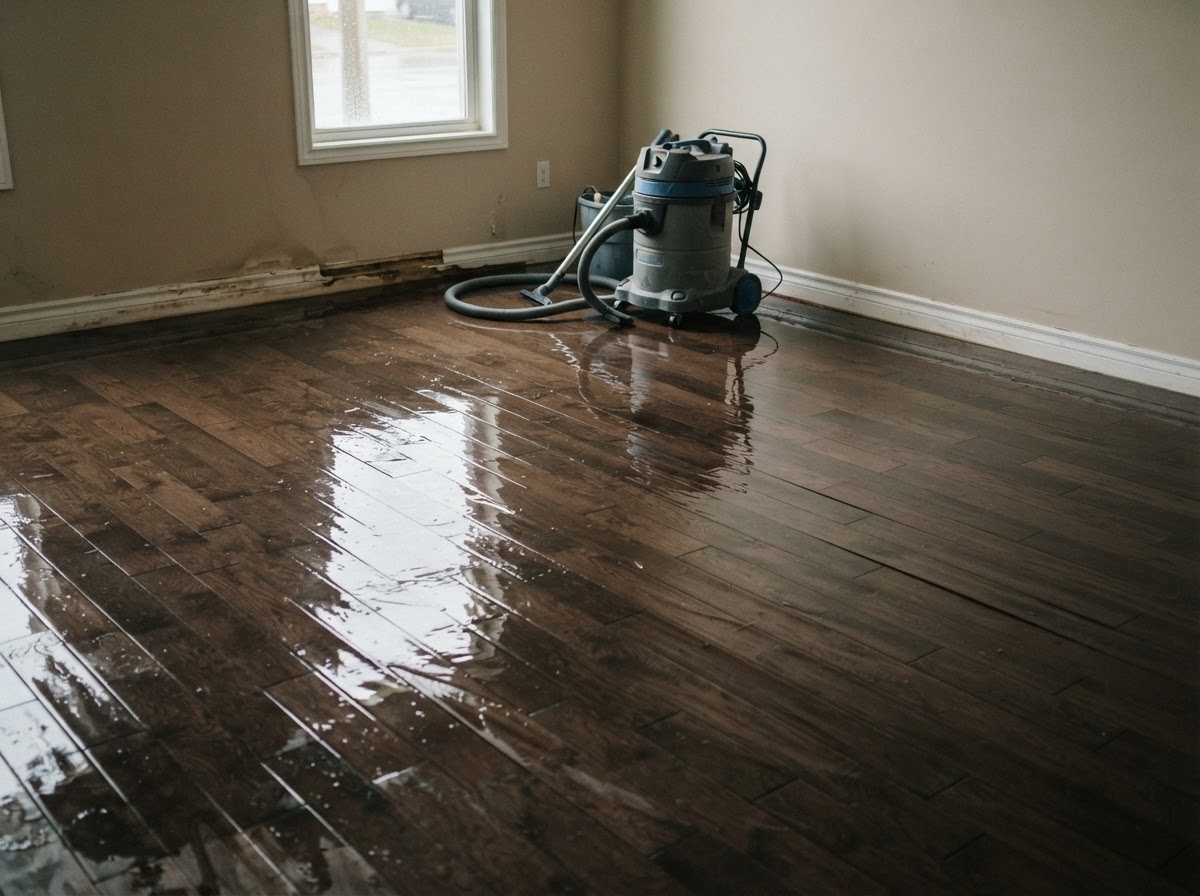
Unexpected standing water raises immediate questions about safety, source control, and what can be removed before it soaks deeper into the structure. “Emergency” here describes the urgency of the situation — it is not a promise of 24/7 staffing, immediate dispatch, or a guaranteed arrival time. An assessment inquiry helps clarify whether extraction is appropriate and what follows it.
The problem
Where standing water comes from, and what it can hide
- Supply lines and plumbing fixtures
- Appliance failures and hose ruptures
- Weather intrusion and runoff
- Overflowing fixtures or systems
- Water trapped under flooring or behind walls
- Moisture held in cavities and underlayment
Process
Extraction is one phase, not the whole restoration
Removing bulk water is a distinct step that precedes moisture measurement and controlled drying. Provider methods depend on actual findings.
Initial safety and utility considerations
Before anyone enters, confirm there are no electrical, structural, or contamination hazards. If water is near outlets or panels, avoid the area and contact the appropriate utility.Confirm source and access
Verify whether the source is stopped and how the affected area can be reached safely.Determine whether extraction is appropriate and safe
Not every situation is safe to enter. Contaminated water and energized spaces require caution and may need other responders first.Water removal by a qualified provider
Methods are chosen for the water volume, category, and access. No specific gallon count, pump capacity, or completion time is implied here.Check affected layers and contents
Flooring, underlayment, edges, cavities, and nearby belongings are inspected for moisture that bulk removal does not reach.Transition to moisture measurement and drying
Extraction alone does not equal full restoration. Controlled drying and monitoring follow to address hidden moisture.
Materials & scope
Materials and the decisions that follow extraction
Some saturated or contaminated materials need separate assessment or removal, and work should not proceed amid electrical or structural hazards.
- Carpet & padding
- Padding is often removed; carpet salvage depends on water category and how long it was wet.
- Engineered & hardwood
- Laminate and engineered products can delaminate; hardwood may cup and require specialized drying.
- Tile & grout
- Water can pass through grout lines and affect the subfloor beneath an intact tile surface.
- Walls & baseboards
- Baseboards and the lower wall can wick water even when the surface looks dry.
- Crawl spaces
- Standing water beneath the home can affect framing and require separate access and removal.
- Belongings
- Furniture, documents, and contents may need to be moved, dried, or evaluated for salvage.
Frequently asked questions
Next steps
Related restoration topics
Live pages with related guidance for Dothan-area property owners.
Tell us about the standing water
Include the suspected source, the rooms and approximate area affected, the property type, and the location. The inquiry is reviewed — it is not a confirmed dispatch or arrival time.