Wiregrass • Mold Concerns
Mold Remediation in Dothan, AL
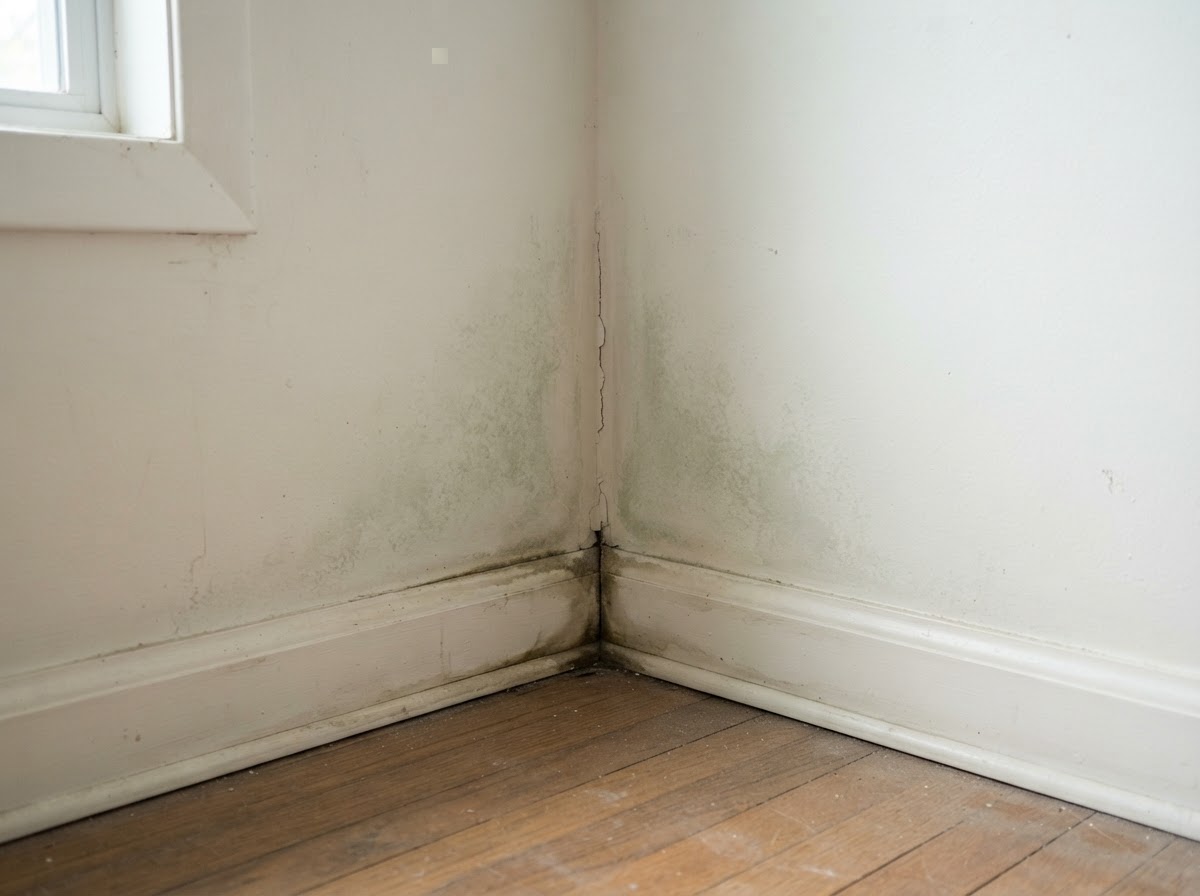
Visible growth, a persistent musty odor, or discoloration after a leak can point to a moisture problem that may need professional evaluation and a scope matched to the building conditions. Remediation is not a guarantee of a mold-free home, and a musty smell alone does not prove mold is present — this assessment is an inquiry to help clarify the next step, not a laboratory diagnosis.
The problem
What mold remediation addresses, and what it does not
- Growth after a roof, plumbing, or AC leak
- Damp cavities and concealed materials
- Repeated humidity exposure in enclosed spaces
- Discolored or stained finishes
- Musty or persistent odors
- Affected drywall, insulation, or wood
- HVAC-adjacent and bathroom areas
Process
A remediation framework matched to the conditions
A general sequence for suspected or confirmed mold concerns. The actual scope, containment, and method depend on the moisture source, the materials, and the qualified provider's findings.
Appropriate source and moisture assessment
The moisture source is identified and addressed first, because remediating materials while the moisture continues would undo the work. Source correction may be a separate plumbing, roofing, or HVAC scope.Project-specific containment and work-area protection
Where qualified, the work area is isolated to limit the spread of spores and debris during remediation. The containment approach depends on the extent, the materials, and the occupancy.Identify, remove, or clean affected materials
Porous materials like drywall and insulation that are affected may be removed; semi-porous or nonporous surfaces may be cleaned. The choice follows the conditions, not a universal rule.Manage debris and contamination appropriately
Removed materials and debris are bagged and handled so contamination is not spread through the building during the work.Drying and correcting ongoing moisture
The structure is dried and the conditions that allowed growth are corrected so the materials are not left damp.Documentation and any follow-up evaluation
The work is documented, and any follow-up evaluation or clearance by a qualified party is arranged only where agreed and where the provider offers it — not assumed.
Materials & scope
Property, occupancy, and the limits of remediation
Different materials and occupancies change the logistics. Remediation addresses the materials and conditions present; it does not diagnose health effects or guarantee mold will never return.
- Porous drywall & insulation
- Drywall and insulation that are affected are commonly removed rather than surface-cleaned, because growth can penetrate beyond the visible face.
- Wooden materials & framing
- Wood framing and sheathing may be cleaned and dried if structurally sound; the decision depends on the extent and the material's condition.
- HVAC-adjacent areas
- Growth near ductwork or air handlers adds consideration of how the system may have spread or contributed to the moisture, and may require HVAC involvement.
- Bathrooms & kitchens
- Humid fixtures and vented spaces are common sites; the ventilation and the leak source both matter to a lasting plan.
- Crawl-space conditions
- Crawl-space moisture can affect the floor above; entry can be hazardous and requires qualified access, not self-inspection.
- Occupied, rental & commercial spaces
- Occupancy, tenants, and sensitive populations change how containment and access are coordinated, and a professional assessment determines whether occupants should relocate.
Frequently asked questions
Next steps
Related restoration topics
Live pages with related guidance for Dothan-area property owners.
Describe the mold concern and request an assessment
Share the moisture history, where the visible concern is located, the affected materials, any recent leaks, and the property location. Do not include medical details. The inquiry is reviewed — it is not a clearance, a lab result, or a confirmed remediation schedule, and remediation capacity must be verified before service is offered.