Wiregrass • Hardwood
Hardwood Floor Drying in Dothan, AL
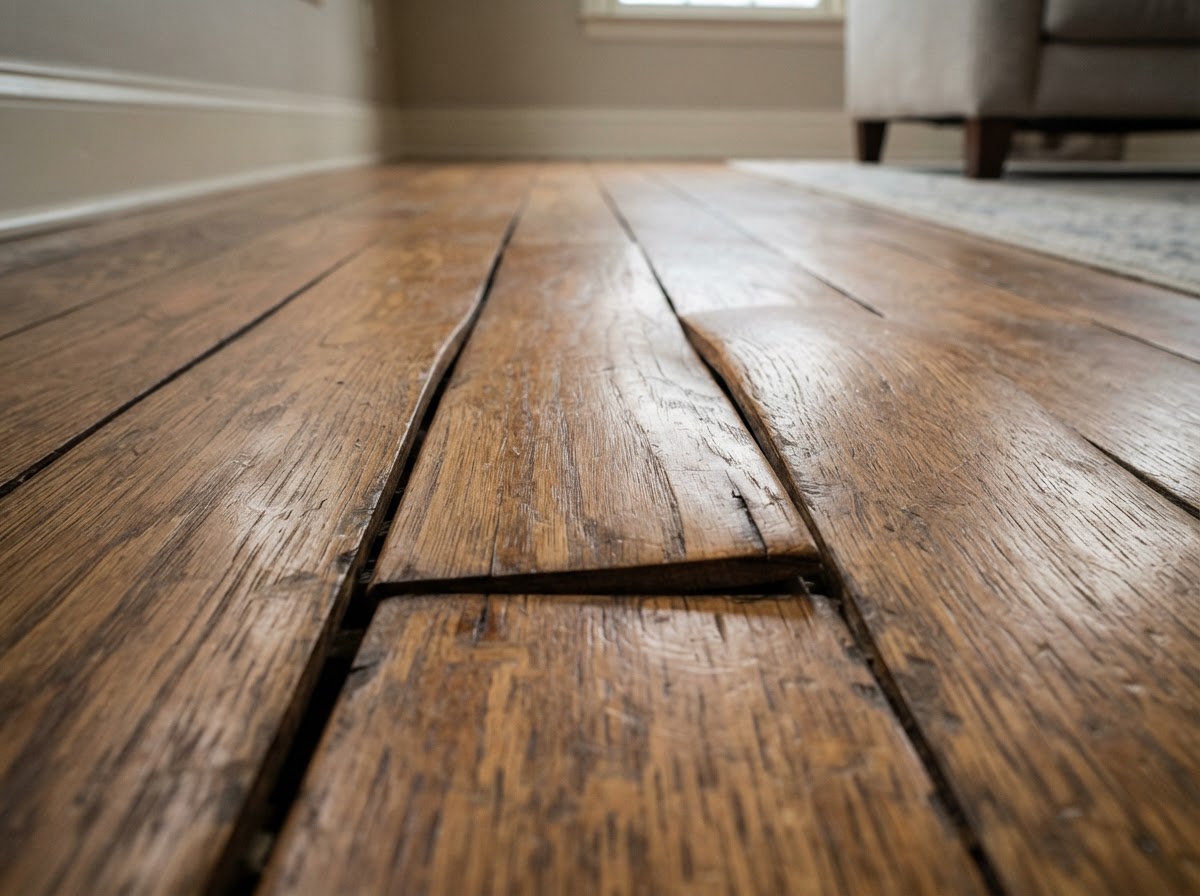
A hardwood floor that feels damp, has started to cup, has planks swelling, or has changed shape after a leak has moisture somewhere in the wood and the substrate beneath it. Whether it can be dried and saved depends on the material, the construction, and the exposure — not on a guarantee that every wood floor can be restored to its original appearance. An assessment clarifies the realistic options.
The problem
What happens to wood when it gets wet
- Cupping — edges rising higher than the center
- Crowning — the center rising above the edges
- Gaps opening between boards
- Staining or discoloration
- Buckling or lifting from the subfloor
- Movement or shifting of boards
- Moisture in the wood and the substrate beneath
Process
Assessing whether hardwood can be dried and kept
A sequence for evaluating water-exposed hardwood. No extreme heat, household hacks, or universal number of days is prescribed — the approach depends on the material and findings.
Stop the source and check safety
The water source is confirmed stopped and the area is checked for electrical or structural hazards before any drying begins.Evaluate water category and floor construction
Solid versus engineered construction, the finish system, and the water category all change whether drying, removal, or specialty floor care is appropriate.Measure and compare relevant moisture
Moisture readings in the affected area are compared against unaffected flooring of the same material, so the readings are interpreted in context.Decide between drying, removal, or specialty care
Some floors can be dried in place; others require removal of affected boards or referral to a specialty floor contractor for refinishing once stable.Monitor condition and adjust professionally
Readings are taken over time and the approach is adjusted as the wood releases moisture, because wood dries unevenly and can change shape during drying.Evaluate finish and repair only after stabilization
Refinishing, sanding, or board replacement is considered only after the wood has reached an appropriate moisture condition — not while it is still moving.
Materials & scope
Salvage and repair decisions for wood floors
Wood responds to moisture slowly and unevenly, which is why finish and repair work follows stabilization rather than leading it. Not every floor can be saved, and a few boards are not always the answer.
- Individual boards versus broad areas
- Isolated board damage may be repaired, but widespread cupping or buckling can indicate moisture through the whole floor and may require broader removal or refinishing.
- Adhesives and subfloor
- Glue-down installations can fail as moisture affects the adhesive, and a damp subfloor beneath the wood must be addressed before the floor is refinished or replaced.
- Cabinetry transitions
- Flooring that runs under or meets cabinetry complicates both drying and board replacement, and the area beneath cabinets may require separate access.
- Hardwood versus engineered layers
- Solid hardwood can sometimes be sanded and refinished; engineered products have a thinner wear layer that limits refinishing and may not survive repeated sanding.
- Long-term water exposure
- Floors wet for a long period, or wet repeatedly, are less likely to be saved than a brief, clean-source exposure, because the wood and finish degrade over time.
- Finish defects after drying
- Even after drying, the finish may show defects that require refinishing, and board replacement can leave a visible patch that blending cannot always erase.
Frequently asked questions
Next steps
Related restoration topics
Live pages with related guidance for Dothan-area property owners.
Describe the hardwood situation and request an assessment
Share the flooring type if known, the affected area, when it was discovered, the leak source, and any visible cupping or buckling. The inquiry is reviewed — it is not a confirmed salvage plan or guaranteed restoration.