Wiregrass • Contamination
Sewage Backup Cleanup in Dothan, AL
Wastewater backing up through a drain, a toilet, or a fixture is a contamination concern that goes beyond ordinary water damage. The first priority is keeping occupants away from the affected area and getting appropriate professional guidance — an online inquiry here is an assessment request, not a confirmed cleanup dispatch or a substitute for emergency response, utility, or plumbing work.
The problem
Where sewage backups come from, and what they are not
- Sewer or main line backup
- Drain line blockage or failure
- Wastewater overflowing a fixture
- Cross-contamination between drain and supply
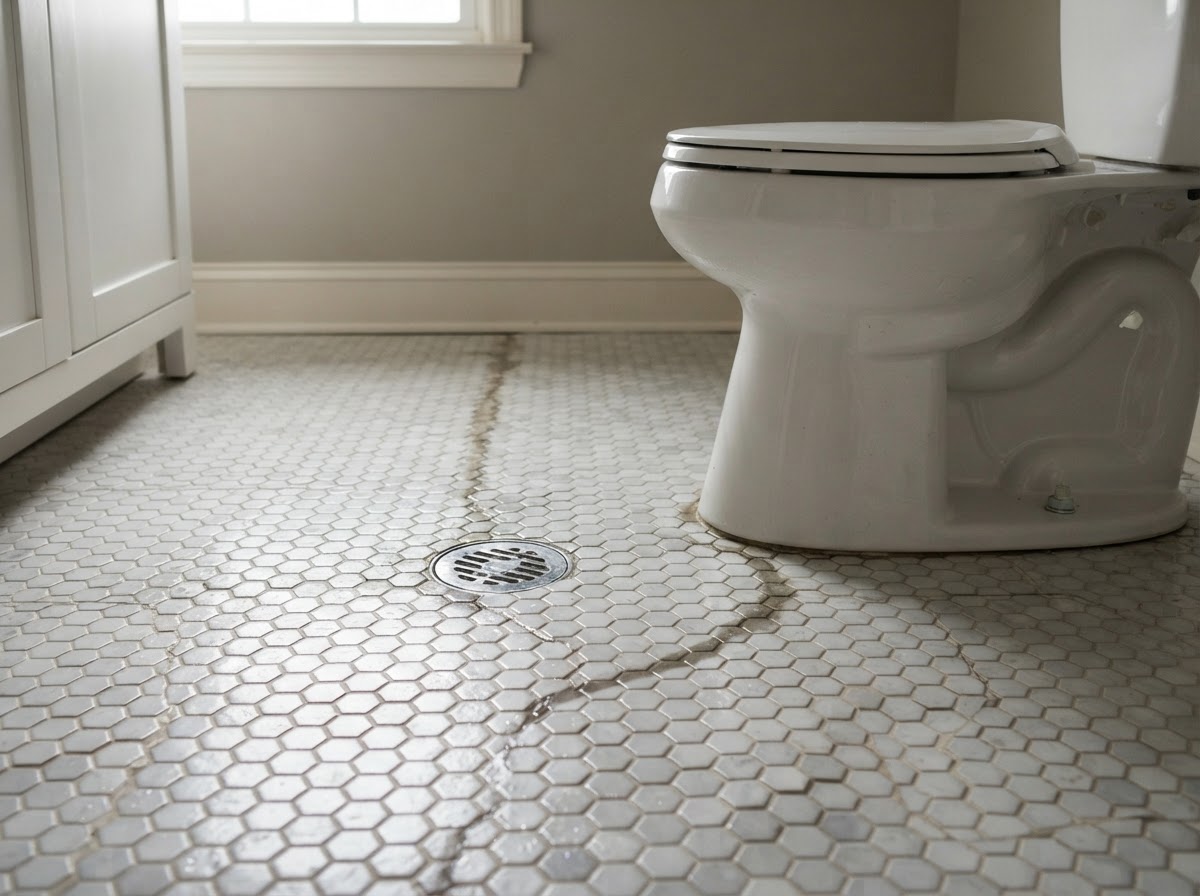
- Visible wastewater on floors or fixtures
- Unusual slow drainage or gurgling
- Affected flooring, baseboards, and porous materials
Process
From a contamination concern to a documented, dry condition
A general sequence for a suspected sewage backup. Whether each step applies depends on the source, the materials, the contamination, and the qualified provider's scope — which must be verified before any service claim is published.
Appropriate isolation and safety/utility evaluation
Occupants are kept away from the affected area, and the space is checked for electrical and structural hazards before anyone proceeds. This is not a DIY step.Qualified plumbing or sewer source correction
Identifying and clearing or repairing the drain or sewer blockage is a plumbing or sewer-line scope performed by a qualified professional — separate from the material cleanup.Contamination assessment
The water category and the affected materials are evaluated by a qualified provider to determine what can be cleaned and what must be removed and disposed of appropriately.Specialized containment, removal, cleaning, and disposal
Where appropriate, affected porous materials are removed and contaminated waste is handled through qualified disposal. Any controlled waste transport, protective equipment, or containment method requires real provider verification — this page does not guarantee a particular sanitation result.Inspection of affected porous materials and cavities
Drywall, insulation, subfloor, and cabinetry behind the visible area are inspected for moisture and contamination that may have spread beyond the floor surface.Drying and verification after safe cleanup
After the contaminated materials are addressed, the remaining structure is dried and verified with readings where appropriate before any finish repair begins.Separate repair scope
Replacing drywall, flooring, or fixtures is a distinct rebuild scope coordinated separately from the contamination cleanup and the plumbing repair.
Materials & scope
Materials and occupancy decisions after a backup
Contamination, exposure duration, and access all change what can be salvaged. No porous material is guaranteed to be saved, and odor treatment alone is never sufficient after a sewage backup.
- Carpet, pad & flooring
- Porous carpet, padding, and underlayment exposed to wastewater are generally not salvaged; nonporous flooring may be cleaned but the subfloor beneath must also be assessed.
- Drywall & baseboards
- Drywall and trim that wicked wastewater are typically removed to a documented height rather than surface-cleaned, because contamination can wick upward behind the finish.
- Cabinetry & porous contents
- Cabinet backs and absorbent belongings in the path of the backup may need removal; nonporous items may be cleaned depending on the conditions.
- Bathrooms & basements
- Finished bathrooms and below-grade spaces raise additional drainage and access considerations, and basement backups can involve larger affected areas.
- Multifamily shared plumbing
- In multifamily buildings a shared line can mean the backup affects more than one unit, which changes how access and communication are coordinated.
- Commercial restrooms
- Commercial settings add occupancy, access, and continuity considerations on top of the contamination concerns.
Frequently asked questions
Next steps
Related restoration topics
Live pages with related guidance for Dothan-area property owners.
Describe the backup and request an assessment
Share the property location, the type of backup, the affected rooms, any known utility or plumber status, and occupant or access restrictions — from a safe position only. The inquiry is reviewed; it is not a confirmed cleanup dispatch, and sewage cleanup capacity must be verified before service is offered.